Blockchain Interoperability Explained
Blockchain interoperability means separate chains can share data and value. Without it, each chain stays closed off. Assets stay stuck. Apps cannot reach users on other networks.
A simple way to think about it: email works across providers because they agree on how to talk. Chains need the same idea. An interoperability protocol is that shared link. It moves tokens and messages from one network to another.
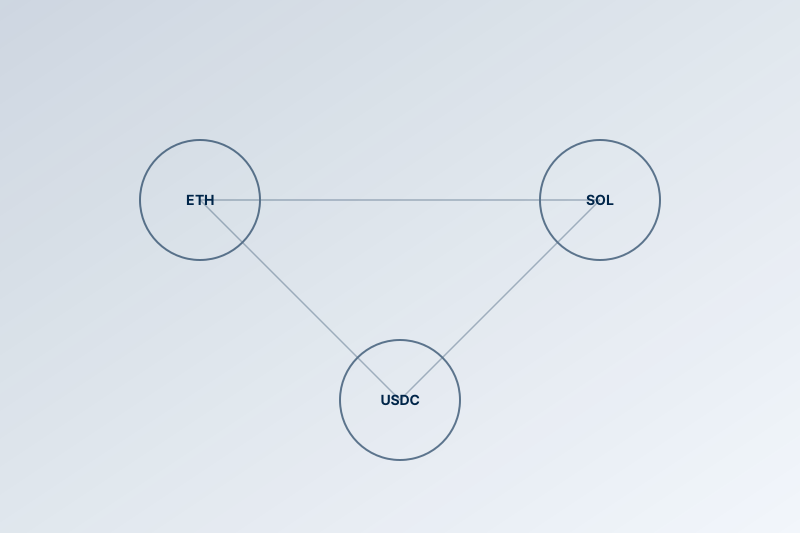
That is what makes Web3 feel like one place instead of many islands. Users can fund an app on Chain B with coins sitting on Chain A. Builders can ship on the chain that fits their product and still reach a wider audience.
Why Many Chains Need This
People hold funds on many chains. Apps live where fees, speed, or tools are best. Bridges and message rails join those worlds.
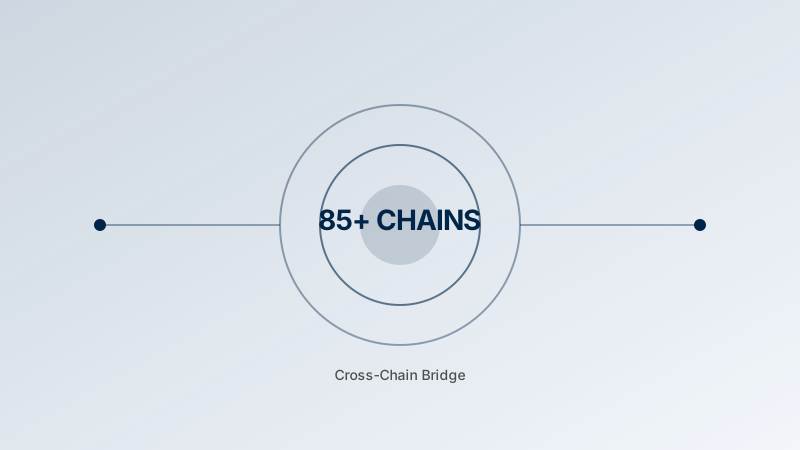
Relay moves assets across 85+ chains in seconds. Slow transfers make users quit. Fast, steady transfers let wallets treat many chains as one surface.
If you are new to the topic, start here: interoperability is the reason cross-chain swaps and bridges can exist. Relay is one way teams ship that experience at scale.